Introduction
In today's busy service atmosphere, the health and wellness of workers continue to be a leading concern. One crucial aspect of guaranteeing workplace safety and security is recognizing emergency treatment demands. This extensive guide browses the usually complicated terrain of emergency treatment laws, training alternatives, and best techniques tailored particularly for businesses. Whether you run a tiny startup or a huge company, this overview will assist brighten the course to reliable first aid readiness in your workplace.
Why is Initial Aid Important in the Workplace?
First aid is greater than simply a set of procedures; it's a critical part that can save lives and stop further injury throughout emergency situations. According to the Globe Health And Wellness Organization (THAT), timely and proper first aid can dramatically enhance end results during clinical emergencies. In offices where accidents can occur, having educated personnel prepared to respond is not simply advantageous, it's essential.
Navigating First Aid Demands for Companies: A Detailed Guide
Understanding emergency treatment requirements can seem difficult, yet breaking them down into workable areas makes it simpler. Below we will certainly cover different elements such as legal needs, types of emergency treatment training available, and details needs based on industry.
1. Recognizing Lawful Responsibilities for Emergency Treatment in the Workplace
Most nations have specific guidelines controling office safety that mandate companies to give appropriate emergency treatment facilities and training. Compliance with these policies is not just a lawful obligation yet additionally cultivates a culture of safety within your organization.
1.1 Key Legislation Affecting First Aid Requirements
- Occupational Safety and security and Wellness Act (OSHA): In several jurisdictions like the U.S., OSHA sets forth standards on keeping a risk-free job environment. Work Health and Safety Regulations: In Australia, these regulations detail certain commitments concerning first aid provision. National Standards: Several nations have national standards that determine the minimal variety of skilled first-aiders needed based upon workforce numbers.
2. Analyzing Workplace Dangers for First Aid Needs
Conducting a threat assessment helps determine potential dangers in your work environment. Right here are some actions to take into consideration:
2.1 Performing a Risk Assessment
Identify potential hazards. Evaluate that could be harmed and how. Determine existing control measures. Record findings and carry out necessary improvements.2.2 Tailoring Emergency treatment Training Based Upon Industry-Specific Risks
Different sectors deal with special threats that might need customized first aid training:

- Construction: Focused on injuries connected to falls or devices use. Healthcare: Stresses CPR training and psychological health support. Childcare Settings: Calls for understanding of pediatric emergencies.
3. Types of Emergency Treatment Training Available for Businesses
Investing in appropriate emergency treatment training is vital for guaranteeing your workers are planned for emergencies.
3.1 General Workplace Emergency Treatment Educating Courses
These courses cover basic life-saving strategies appropriate across different workplaces:
- Basic CPR Wound care Managing unconsciousness
3.2 Specialized First Aid Training Options
Depending on your market emphasis, you might want to check out specialized courses such as:
- Childcare Emergency treatment Course Mental Wellness First Aid Corporate Emergency treatment Training
4. Online Emergency Treatment Courses vs In-Person Training
The surge of digital learning has actually made it less complicated than ever before to gain access to first aid training with on-line platforms.
4.1 Benefits of Online Emergency Treatment Courses
- Flexibility: Staff members can learn at their very own pace. Accessibility: Perfect for remote employees or those with tight schedules.
4.2 Limitations of Online Learning
While convenient, on the internet training courses may do not have practical hands-on experience essential for efficient initial response.
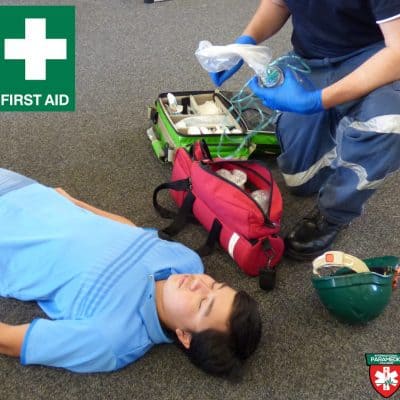
5. The Value of Mouth-to-mouth Resuscitation Training in the Workplace
Cardiopulmonary resuscitation (MOUTH-TO-MOUTH RESUSCITATION) remains one of one of the most essential abilities one can find out in preventing deaths during cardiac arrests.
5.1 Stats Supporting Mouth-to-mouth Resuscitation Educating Necessity
According to studies, immediate CPR can double or triple survival prices from cardiac arrest outside hospitals.
6. Achieving Emergency Treatment Certification for Employees
Obtaining certification ensures that workers are acknowledged as skilled in providing emergency treatment assistance when needed.
6.1 Accredited Certification Providers
Employers must look for accredited companies that provide across the country recognized accreditations like HLTAID011 Offer Emergency Treatment Online.
7. The Function of Business Plans in Promoting Office Safety
Having robust policies around health and wellness encourages conformity with finest practices throughout your organization.
7.1 Creating Your Firm's Emergency treatment Policy Document
Consider consisting of elements such as:
- Emergency action plans Designated first-aiders Regularly set up refresher courses
8. Working With Onsite Corporate Emergency Treatment Educating Sessions
For comfort and effectiveness, lots of business opt for onsite corporate training sessions led by specialist trainers.
8.1 Benefits of Onsite Training Programs
- Customization based on specific office needs. Convenience permits greater involvement rates among team members.
9. On A Regular Basis Scheduled Refresher Courses for Employees
To maintain skills with time, routine correspondence course make certain that all staff remain current with best practices in emergency treatment techniques.
Frequently Asked Inquiries (Frequently asked questions)
1. What are the basic needs for emergency treatment in my business?
Companies have to analyze their risks according to HLTAID units/courses worker numbers and kinds of work involved while guaranteeing they offer sufficient supplies and skilled personnel all set to respond to emergencies.

2. The length of time does it require to finish a standard first aid course?
Typically, many basic office first aid training programs take https://erickrmtr697.raidersfanteamshop.com/why-every-team-ought-to-buy-comprehensive-emergency-treatment-training around 8 hours yet can vary depending on whether they include CPR or various other specialized content.
3. Can I perform an on the internet training course instead of attending in person?
Yes! Many reputable organizations use accredited on the internet courses that satisfy nationwide standards; nonetheless, functional analyses may still be required relying on local regulations.
4. What is consisted of in mental health emergency treatment training?
Mental wellness first aid training covers recognizing indications of psychological health and wellness issues, offering preliminary support up until professional assistance shows up, and comprehending available sources within the neighborhood or office setting.
5. Exist unique factors to consider for childcare centres relating to first aid?
Yes! Childcare centres need to adhere to certain policies guaranteeing team are trained effectively because of children's vulnerability; this includes administering medication safely if necessary along with basic emergency situation readiness strategies.
6. What ought to I do if a worker has a medical problem requiring special attention?
Keep documents updated regarding any type of known clinical conditions among employees while cultivating an open discussion so individuals feel comfy reviewing their needs without stigma connected-- this leads straight right into far better planning around precaution customized exactly towards them!
Conclusion
Navigating first aid demands within any business context requires detailed understanding paired with proactive steps aimed at enhancing overall employee safety procedures! From lawful conformity with appropriate risk analysis down right into specifics such as customized trainings based upon industry needs-- these actions produce solid structures upon which effective organizations grow! Prioritizing recurring education and learning like correspondence course will certainly aid keep knowledge fresh while reinforcing dedication towards establishing safer working environments on the whole-- after all; prep work leads straight right into avoidance!
By implementing comprehensive approaches surrounding workplace readiness today-- your company doesn't just conform however instead champs wellness & & health amongst its employees-- a win-win environment all around!